


Top Dog Training Techniques That Help Build Better Behavior and Stronger Bonds
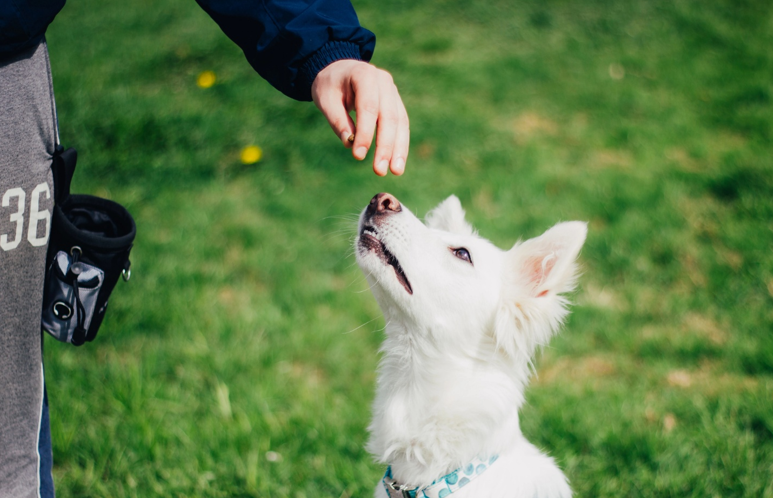
Every dog owner wants a happy, well-behaved companion, but training isn't just about teaching commands or correcting bad habits. It's about building trust, improving communication, and helping your furry friend feel confident in different situations. Whether you're raising an energetic puppy or working through a few behavioural challenges with an adult dog, the right training techniques can make everyday life more enjoyable for both of you.
The good news is that effective dog training doesn't have to be complicated. Small, but consistent efforts can really bring big improvements over time. Combined with regular socialization, exercise, and structured routines, training can help your dog develop better manners and a closer connection with the people they love most.
1. Use Positive Reinforcement
Positive reinforcement is one of the most effective ways to teach dogs new behaviours and encourage good habits. The idea is simple: reward behaviours you want to see more often.
When your dog follows a command, remains calm around distractions, or displays good manners, reward them with treats, praise, toys, or affection. By associating positive outcomes with desirable behaviours, dogs are more likely to repeat them.
This approach helps create a trusting learning environment and encourages dogs to stay engaged during training sessions.
2. Be Consistent with Commands and Expectations
Consistency is key when teaching new behaviours. Dogs learn best when everyone in the household uses the same commands and follows the same rules.
For example, if one family member allows a dog on the couch while another does not, the mixed signals can be very confusing for your dog. The best strategy is to choose clear commands such as "sit," "stay," or "come," and use them consistently.
A few minutes of training each day is often more effective than longer, less frequent sessions. Even five to ten minutes of focused practice each day can lead to excellent results.
3. Help Your Dog Build Social Confidence
Socialization is an important part of dog training that sometimes gets overlooked. Dogs that regularly experience different people, environments, sounds, and other dogs often feel more comfortable and confident in new situations.
For puppies, early socialization helps lay the foundation for positive behaviour throughout adulthood. Older dogs can benefit as well by gradually building positive experiences in controlled settings.
A structured dog daycare environment can be especially helpful, giving dogs opportunities to interact with others while learning appropriate play and social skills under supervision.
4. Redirect Problem Behaviours in a Positive Way
Instead of focusing solely on stopping undesirable actions, redirect your dog's attention toward acceptable alternatives.
For example:
If your dog chews furniture, provide an appropriate chew toy
If they jump on guests, train them to sit when greeting people
If they bark excessively, redirect them to a command or activity that encourages calm behaviour
Redirection helps dogs understand what you want them to do rather than simply correcting what they shouldn't do.
5. Make Training Fun and Engaging
Dogs learn best when training feels like a game instead of a chore. Keep sessions upbeat and rewarding by incorporating play, treats, and encouragement.
Physical exercise is essential, but mental stimulation can be just as important. Teaching new tricks, practising obedience skills, or using puzzle toys can help prevent boredom and reduce problem behaviours caused by excess energy.
When dogs enjoy the learning process, they're often more motivated to participate and retain what they've learned.
6. Reinforce Good Behaviour in Everyday Situations
Training shouldn't only happen during scheduled sessions. Everyday moments provide excellent opportunities to reinforce good habits.
Reward your dog when they:
walk calmly on a leash
come when called
remain relaxed around visitors
settle quietly at home
interact appropriately with other dogs
By recognizing and rewarding positive behaviours throughout the day, you help those behaviours become part of your dog's routine.
How Dog Daycare Supports Training Success
Many dog owners are surprised to learn how much dog daycare can complement their training efforts. A quality daycare program provides structure, routine, exercise, and supervised socialization throughout the day.
By spending time around other dogs and trained staff, dogs have frequent opportunities to practise appropriate behaviour in real-world situations. They can burn off excess energy, build confidence, and develop important social skills that support the training taking place at home.
For busy pet owners, dog daycare can be a valuable partner in helping dogs maintain consistency and continue learning throughout the week.
Need Professional Help to Train Your Dog?
Every dog learns at their own pace, and sometimes a little professional guidance can make all the difference. Whether you're working on basic obedience, social skills, or tricky behavioural challenges, the team at Chasin' Tails is here to help. Through our dog training programs and dog daycare services in Calgary, we help dogs build confidence, develop good habits, and enjoy positive experiences every day. Reach out today to discover how we can help your dog become a happier, more well-mannered companion.